
Solidarity in the field is not a matter of goodwill alone; it requires clear roles, shared protocols and collective psychological resilience.
Anatomy of the network
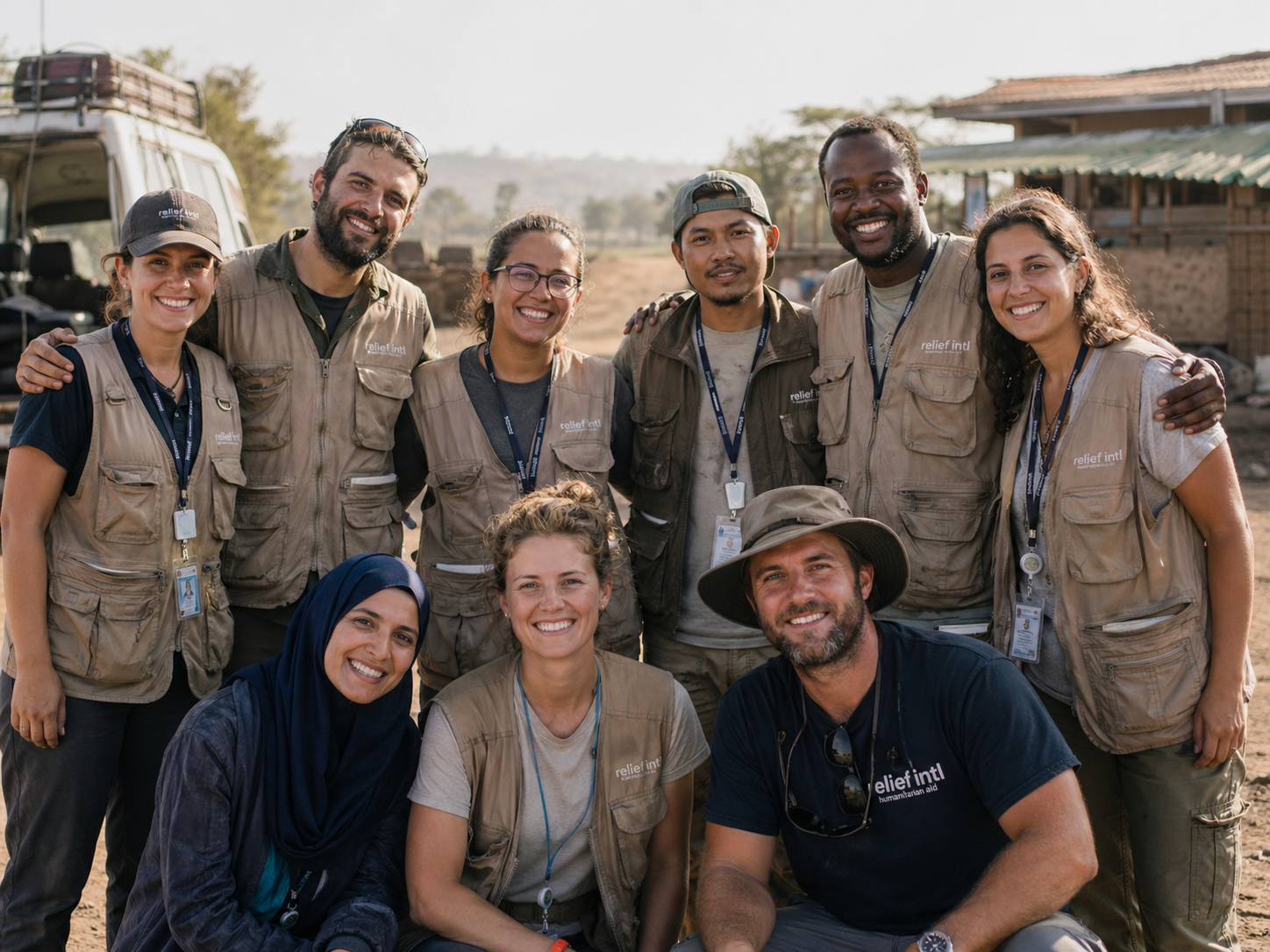
Coordinating 220 volunteers across 14 countries requires a structural design beyond goodwill. Each volunteer has a different language, legal framework and risk tolerance. To turn this into a strength, a common language — that is, common protocols — is essential.
The backbone of the network consists of regional coordinators, field volunteers and the central communications team. Each layer knows its own limits of responsibility and area of authority. This clarity makes rapid decision-making possible in moments of crisis.
Protocol and role
Three core protocols were developed for our volunteer network to function:
- Field-observation protocol: Standard data form, verification steps and reporting chain
- Secure-communication protocol: Use of encrypted channels, identity protection and an emergency communication plan
- Psychological-support protocol: Regular debriefing, an early-warning system and senior-volunteer mentorship
Solidarity without protocol is a well-meaning chaos created by groups in the field who cannot understand one another.
Psychological resilience
For volunteers working in crisis zones, secondary trauma is the professional risk that is easiest to ignore but most destructive. Our network has been developing a systematic approach to this for two years.
After every return from the field, a mandatory rest period and an optional session with a psychologist are applied. Experienced volunteers are assigned as mentors for newcomers. None of this is cost-free — but losing a volunteer is far more costly.